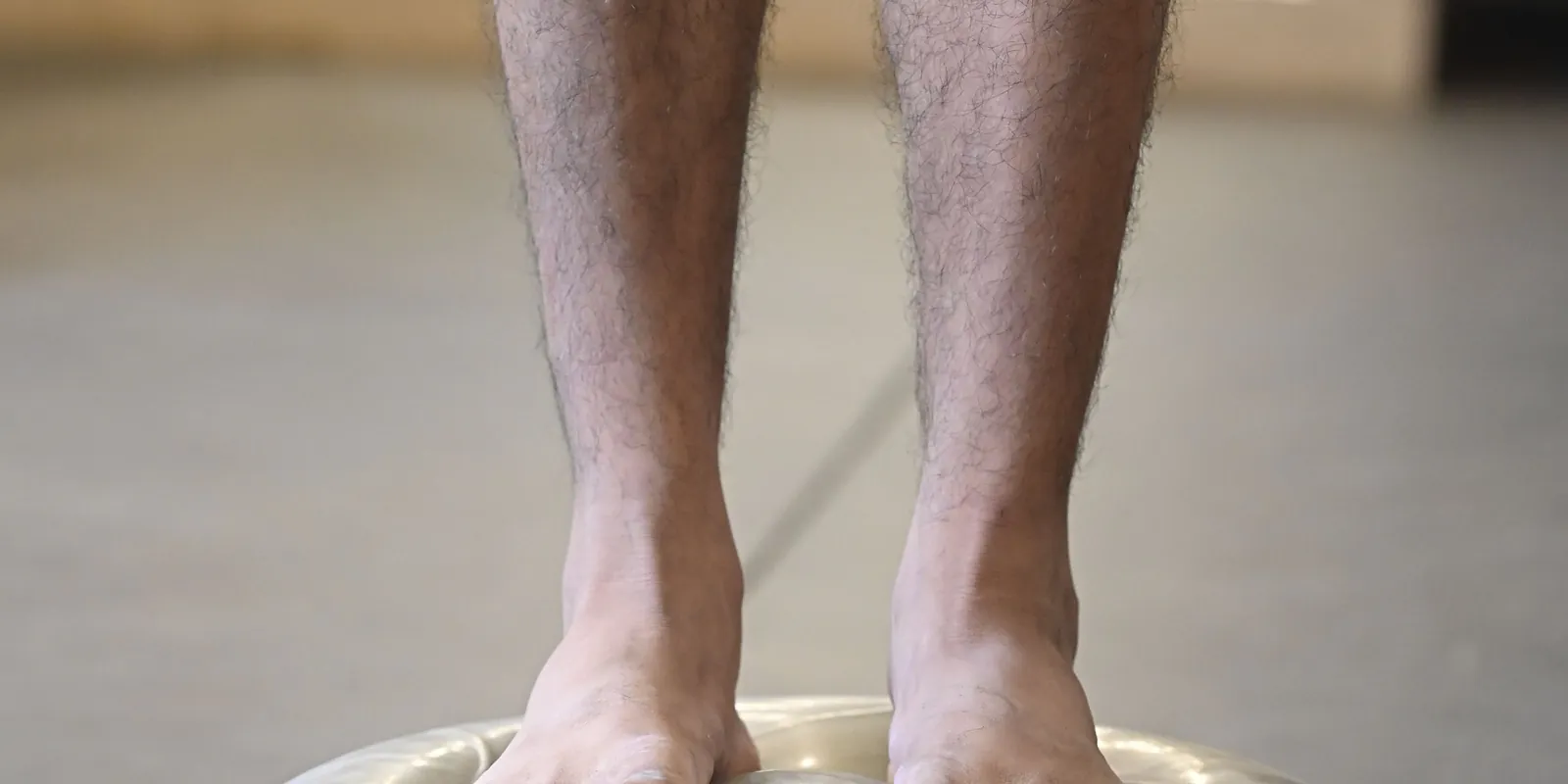
Geriatric Care
23 September 2026
Geriatric Physiotherapy: Supporting Healthy Ageing
A patient-centred approach to improving mobility, independence, and quality of life — and an honest look at the challenges we face treating older adults.
Read More
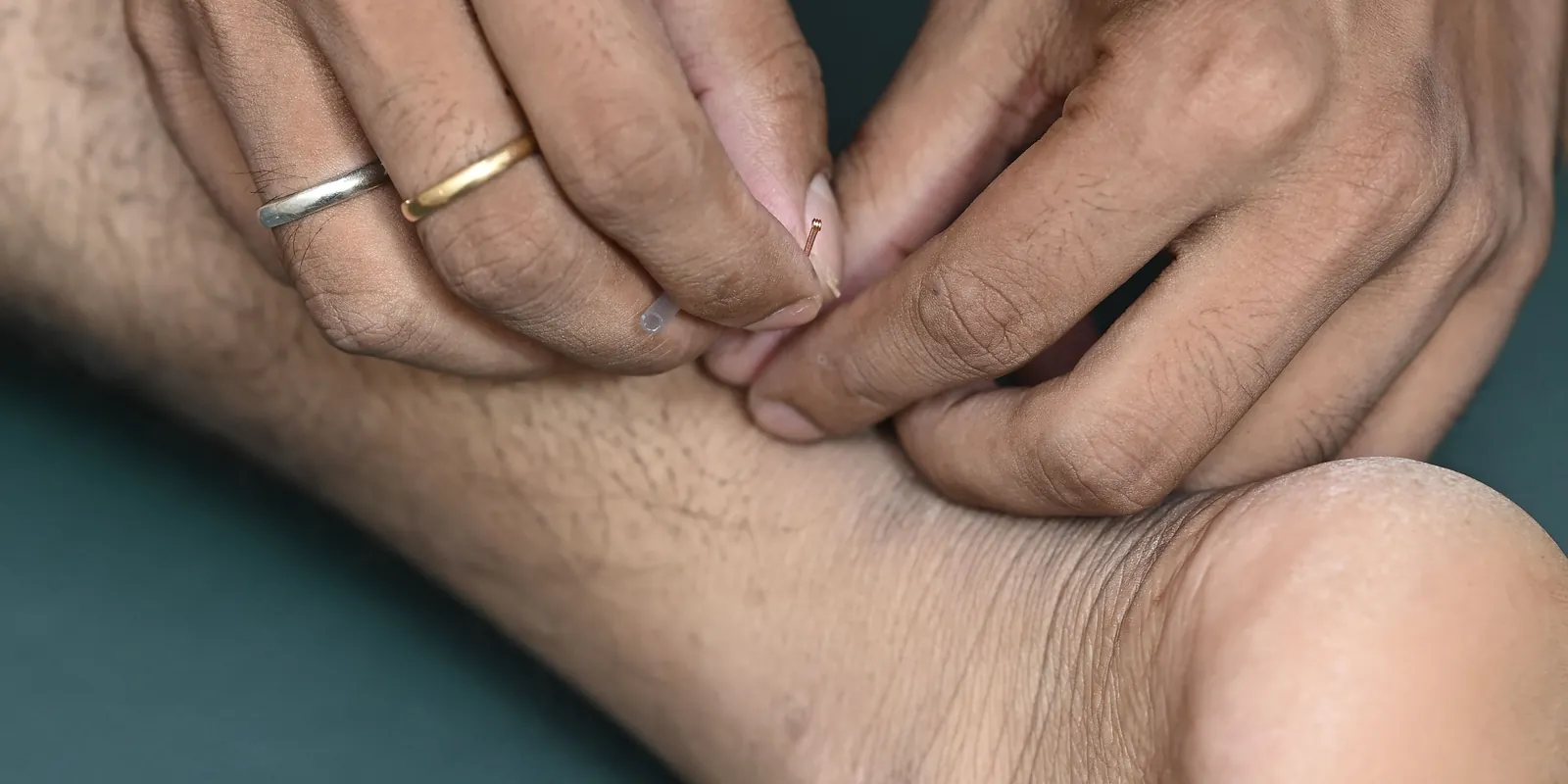
A patient walks into the clinic and points to their lower back. "The pain is here."
It is tempting to start there. But the more important question is: what has this pain stopped you from doing?
Maybe it stopped you from playing with your children. Maybe you stopped going to the gym because you were afraid of making your back worse. Maybe getting out of a chair has become something you think about before you do it. Or perhaps you have had pain for years, but nobody has really explained what might be happening.
That is where physiotherapy becomes more than simply treating a painful area.
We often describe problems using labels — "disc problem", "arthritis", "frozen shoulder", "muscle tightness", "weak core". But a diagnosis alone doesn't tell us how that problem is affecting a particular person.
Two people can have the same scan and completely different experiences. One may continue working, exercising, and living normally. Another may become afraid of movement and gradually stop doing the activities they enjoy.
So instead of asking only "What is wrong?", we should also ask: "What is happening in this person's life?"
Your movement tells us something. How you bend. How you walk. How you lift. How you sit down. How you protect a painful area.
Sometimes the body develops a movement strategy because it is trying to protect itself. That strategy may have been useful initially — but it may not always remain useful. Physiotherapy can help you understand these patterns and gradually develop more comfortable and confident ways of moving.
Pain deserves to be taken seriously. But pain and tissue damage are not always perfectly proportional.
Pain can be influenced by many things, including previous experiences, stress, sleep, fear, activity levels, and how we understand what is happening in our body. Understanding this does not mean that the pain is imaginary. It means there may be more than one piece to the puzzle.
A successful physiotherapy programme should gradually give you more confidence in managing your own body.
Hands-on treatment may sometimes help. Exercises may be important. Education may change how you approach movement. But ultimately, the goal is bigger: you should become more capable of managing your condition without constantly needing someone else to fix it for you.
Sometimes we treat the painful joint. Sometimes we work on strength. Sometimes we change a movement strategy. Sometimes we work on confidence with movement. Sometimes we need to understand why a person has gradually stopped doing the things they love.
And sometimes the most important treatment is simply helping someone finally understand what is happening to them.
Because behind every painful shoulder, knee, neck or back is a person trying to get back to something that matters. That is where rehabilitation should begin.
“Physiotherapy should not only ask: where does it hurt? It should ask: why does it matter to you?”
Deep dives into performance and wellness.
23 September 2026
A patient-centred approach to improving mobility, independence, and quality of life — and an honest look at the challenges we face treating older adults.
Read More
22 September 2026
Quality physiotherapy needs more than clinical expertise. It depends on compassionate communication, coordinated teamwork, and a clear understanding of what each patient wants to return to in life.
Read More
22 September 2026
Why static, upright posture is outdated — and why your best posture is always your next posture.
Read MoreDon't leave your performance to chance. Book a comprehensive movement assessment with our specialists today.