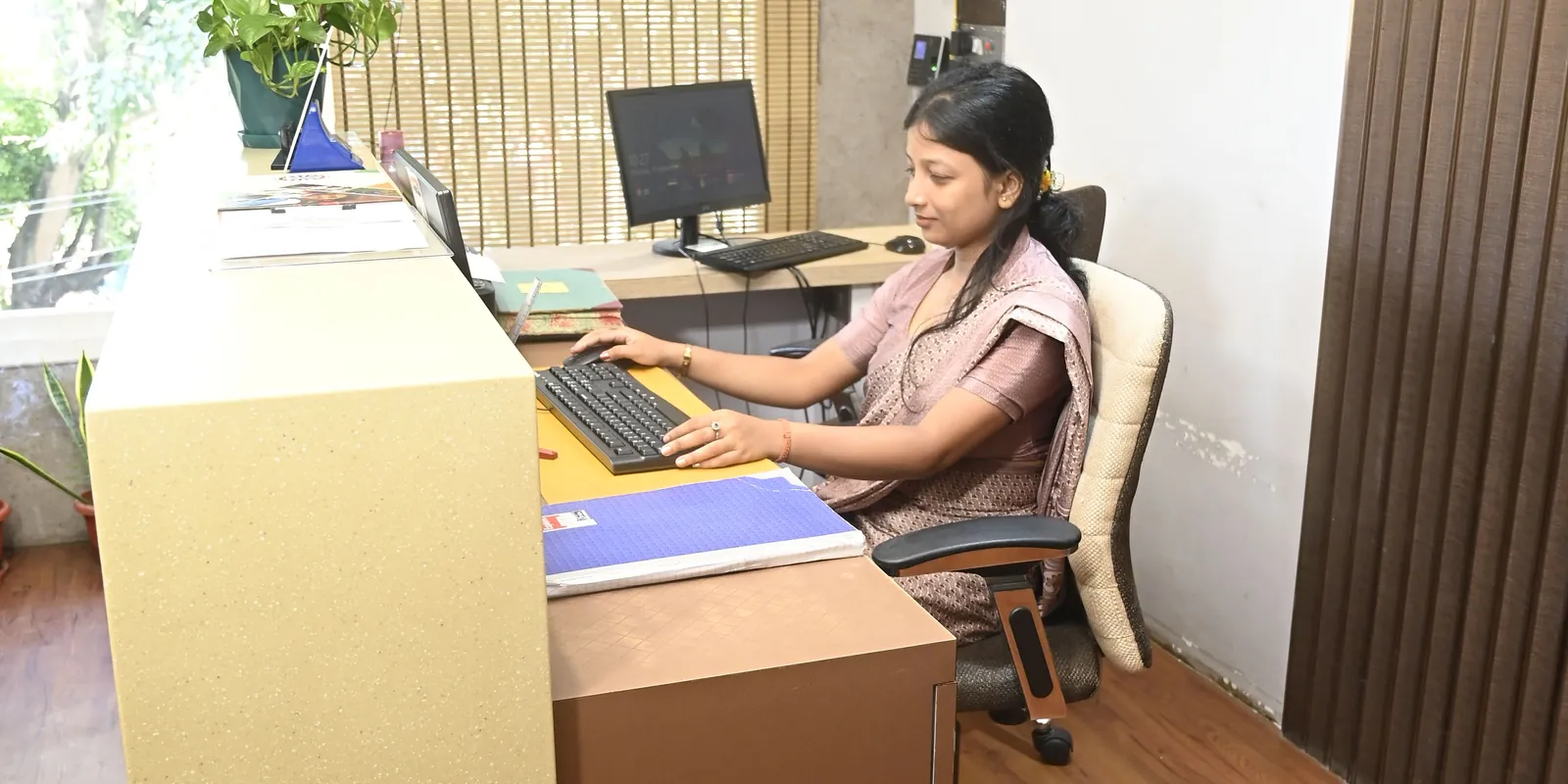
Physiotherapy is often understood as the clinical treatment performed inside a therapy room. However, a patient's experience begins much earlier — with the first phone call, the ease of booking an appointment, the way concerns are heard, and the clarity with which the treatment journey is explained.
My professional journey with ABX Physio in Guwahati has helped me understand that quality physiotherapy requires more than clinical expertise. It also depends on compassionate communication, coordinated teamwork, individualised treatment planning, and a clear understanding of what each patient wants to return to in life.
Treating the Person, Not Just the Condition
At ABX Physio, we conduct our assessments and plan treatment according to the International Classification of Functioning, Disability and Health, or ICF, model developed by the World Health Organization. This approach encourages us to look beyond the diagnosis or painful joint and understand how the condition affects the person's everyday life.
The ICF pathway connects body functions and structures with activity, participation, and a personalised recovery goal. Our assessment focuses on three levels:
- Body functions and structures. We identify pain, stiffness, muscle weakness, reduced joint movement, impaired balance, and other structural or functional limitations.
- Activity limitations. We determine which activities have become difficult, including walking, climbing stairs, sitting, lifting, exercising, travelling, working, or managing household responsibilities.
- Participation restrictions. We assess how these limitations affect work, family responsibilities, recreation, social life, and involvement in the wider community.
Based on these findings, we customise the patient's treatment and exercise programme. Our aim is not limited to reducing pain or improving movement. We work towards helping the patient return to the specific activities that matter to them.
As those activities improve, treatment progresses towards restoring participation — helping the person return confidently to work, family life, recreation, and community involvement. This makes physiotherapy more functional, meaningful, and connected to real-life goals.
Extending Care Beyond the Clinic
Some patients may be unable to visit the clinic because of pain, mobility restrictions, a recent procedure, age-related difficulty, or another genuine need.
In appropriate cases, ABX Physio can arrange physiotherapy home-visit support, subject to an initial discussion, clinical suitability, location, and therapist availability. This allows the patient to receive professional assessment and guidance in a familiar environment.
Urgent requests are assessed carefully so that suitable physiotherapy support can be arranged as promptly as possible. A home physiotherapy visit is not a substitute for hospital emergency care. Severe chest pain, breathing difficulty, sudden weakness, loss of consciousness, or serious injury requires immediate medical attention.
Collaborating for a Safe Return to Strength
Recovery does not always end when pain reduces. Some patients need to rebuild strength, endurance, movement confidence, and physical capacity before returning to demanding work, sports, fitness, or recreational activities.
When appropriate, our physiotherapists collaborate with qualified strength and conditioning coaches. The physiotherapist first addresses the patient's clinical condition, movement limitations, pain, and functional difficulties. The strength and conditioning professional can then support the next stage through structured and progressive physical training.
This coordinated approach creates a safer transition from treatment to long-term fitness, performance, and independent activity. Communication between professionals helps keep progression aligned with the patient's condition and goals.
Creating a Consistent Patient Experience
Every person visiting or contacting a clinic deserves a consistent standard of care. Structured processes for appointment booking, registration, billing, follow-up, feedback, and communication between the front desk and therapists help reduce errors and ensure timely support.
Follow-up communication must also be thoughtful. Some patients may need scheduling assistance, some may have concerns about treatment or cost, and others may simply need time. Understanding the reason behind a patient's decision allows the clinic to communicate respectfully and appropriately.
Building a Responsible and Confident Team
Receptionists, therapists, administrative staff, interns, managers, and collaborating professionals all contribute to the patient's experience.
A clinic becomes stronger when every team member understands not only what to do, but also why the task matters. Clear responsibilities, practical training, respectful communication, and regular review help the team work with greater confidence and accountability.
Mistakes should not only be corrected; they should also be understood. When recurring difficulties are identified, they can be converted into better training and more reliable systems.
The Evolving Role of a Physiotherapist
Today, a physiotherapist may also be an educator, team leader, communicator, collaborator, systems designer, and entrepreneur. Becoming a physiopreneur does not mean moving away from patient care. It means building an organisation where responsible care can be delivered consistently and where the patient's needs remain at the centre of every decision.
At ABX Physio, we aim to combine clinical responsibility, ICF-based treatment planning, home-visit support where appropriate, professional collaboration, strong teamwork, and respectful patient communication.