Geriatric Care
23 September 2026
Geriatric Physiotherapy: Supporting Healthy Ageing
A patient-centred approach to improving mobility, independence, and quality of life — and an honest look at the challenges we face treating older adults.
Read More
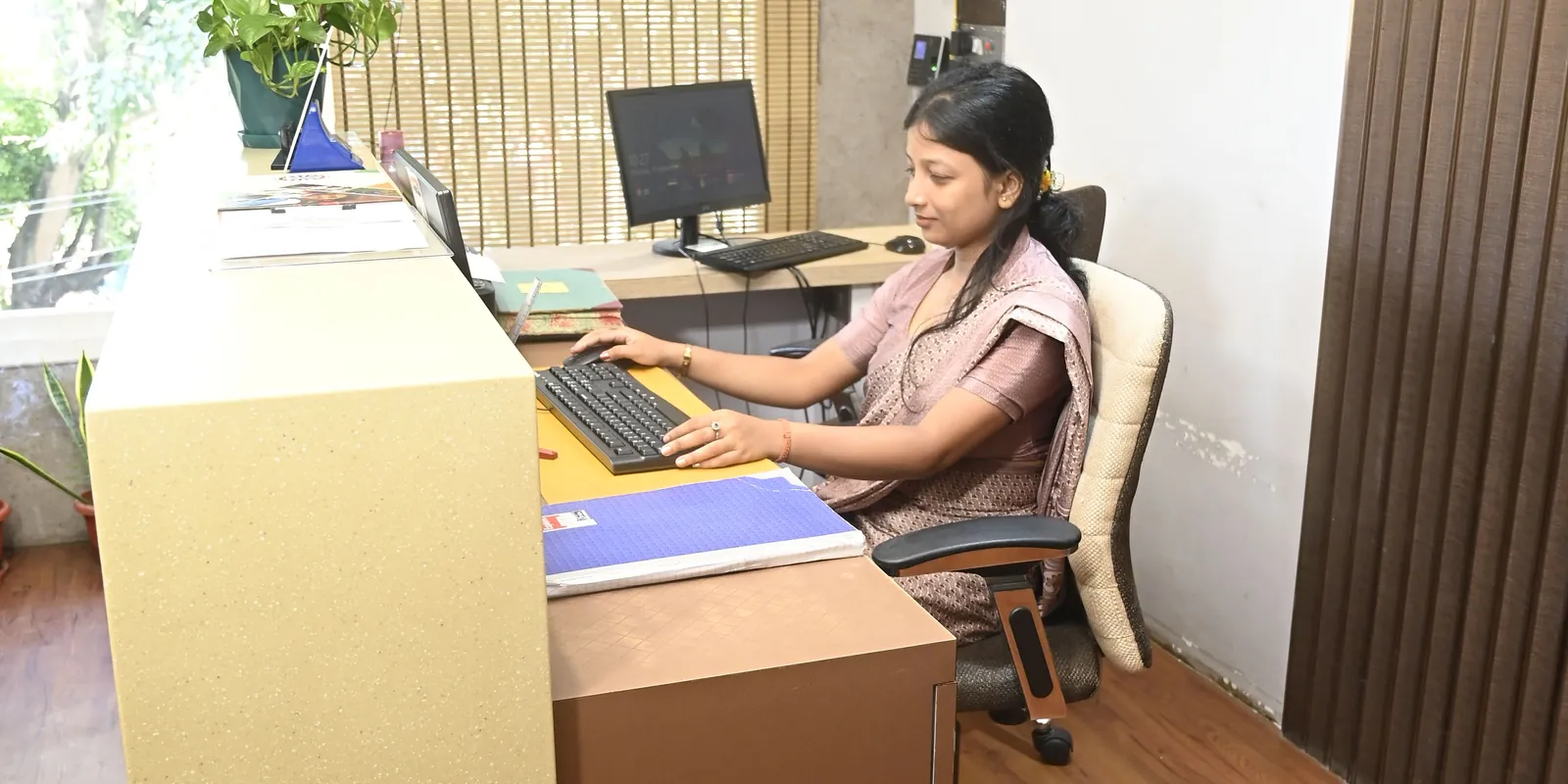
For years, we've been told to sit ramrod straight: shoulders pinned back, chin tucked, and elbows and knees locked at 90 degrees. Yet as clinicians, we routinely treat patients who follow these rules religiously and still suffer from persistent neck, shoulder, and spinal tension. The issue isn't discipline — it's the myth of a single, static "ideal" posture.
Pain does not equal spinal curve. Biomechanical studies consistently show that resting spinal curvature is a poor predictor of discomfort. Many habitual slouchers experience zero pain, while individuals forcing rigid upright posture often report intense muscular aches.
Ischemic muscle fatigue. Holding shoulders rigidly upright demands sustained low-grade isometric effort from the trapezius and erector spinae. This constricts local micro-capillaries, reducing oxygen delivery and leading to metabolic ache and stiffness.
Spinal discs require motion to feed. Intervertebral discs lack direct vascular supply. They rely on fluid imbibition — a sponge-like pumping mechanism driven by bending, twisting, and pressure changes. A static spine is essentially a starved spine.
Kinesiophobia and fear of movement. Demonising natural postures like slouching creates fear around everyday spinal flexion. The human spine is naturally robust, supple, and designed to move safely across all three anatomical planes.
The problem isn't slouching; it's holding any posture for hours. Cycle positions every 25–30 minutes:
Keep spinal tissue hydrated with micro-mobilisations:
Stop chasing an artificial, frozen posture. Relieve the fatigue, ditch the posture guilt, and keep moving.
“Stop chasing an artificial, frozen posture. Your best posture is always your next posture.”

Physiotherapist
Deep dives into performance and wellness.
23 September 2026
A patient-centred approach to improving mobility, independence, and quality of life — and an honest look at the challenges we face treating older adults.
Read More
22 September 2026
Quality physiotherapy needs more than clinical expertise. It depends on compassionate communication, coordinated teamwork, and a clear understanding of what each patient wants to return to in life.
Read More
21 September 2026
After more than 16 years in physiotherapy, the profession's greatest challenge is not a shortage of techniques, machines, or certifications — it is converting knowledge into sound clinical decisions.
Read MoreDon't leave your performance to chance. Book a comprehensive movement assessment with our specialists today.