Ageing is a natural part of life, but it often comes with physical, functional, and psychological changes that can affect a person's independence and quality of life. Older adults may experience reduced muscle strength, balance difficulties, joint stiffness, chronic pain, reduced endurance, and challenges with everyday activities. These changes can make simple tasks such as walking, climbing stairs, getting up from a chair, or bathing more difficult.
As physiotherapists, our role in geriatric care extends beyond treating individual symptoms. It involves understanding the person as a whole, identifying the factors that affect their movement and independence, and developing a rehabilitation plan that is safe, practical, and tailored to their needs.
At ABX Physio, we believe geriatric physiotherapy should focus on helping older adults maintain their functional abilities, improve confidence in movement, and participate in daily activities as independently as possible.
Common Problems We Encounter
Muscle weakness and reduced physical capacity
Age-related changes, prolonged inactivity, hospitalisation, and chronic health conditions can contribute to reduced muscle strength and physical capacity. This may affect the ability to stand, walk, climb stairs, or perform daily activities.
Patients may find it difficult to complete basic strengthening exercises or may fatigue quickly during a session. We need to assess their current capacity and gradually introduce exercises that challenge them without causing excessive fatigue or compromising safety. The focus is not simply on increasing strength but on translating improvements into meaningful functional activities.
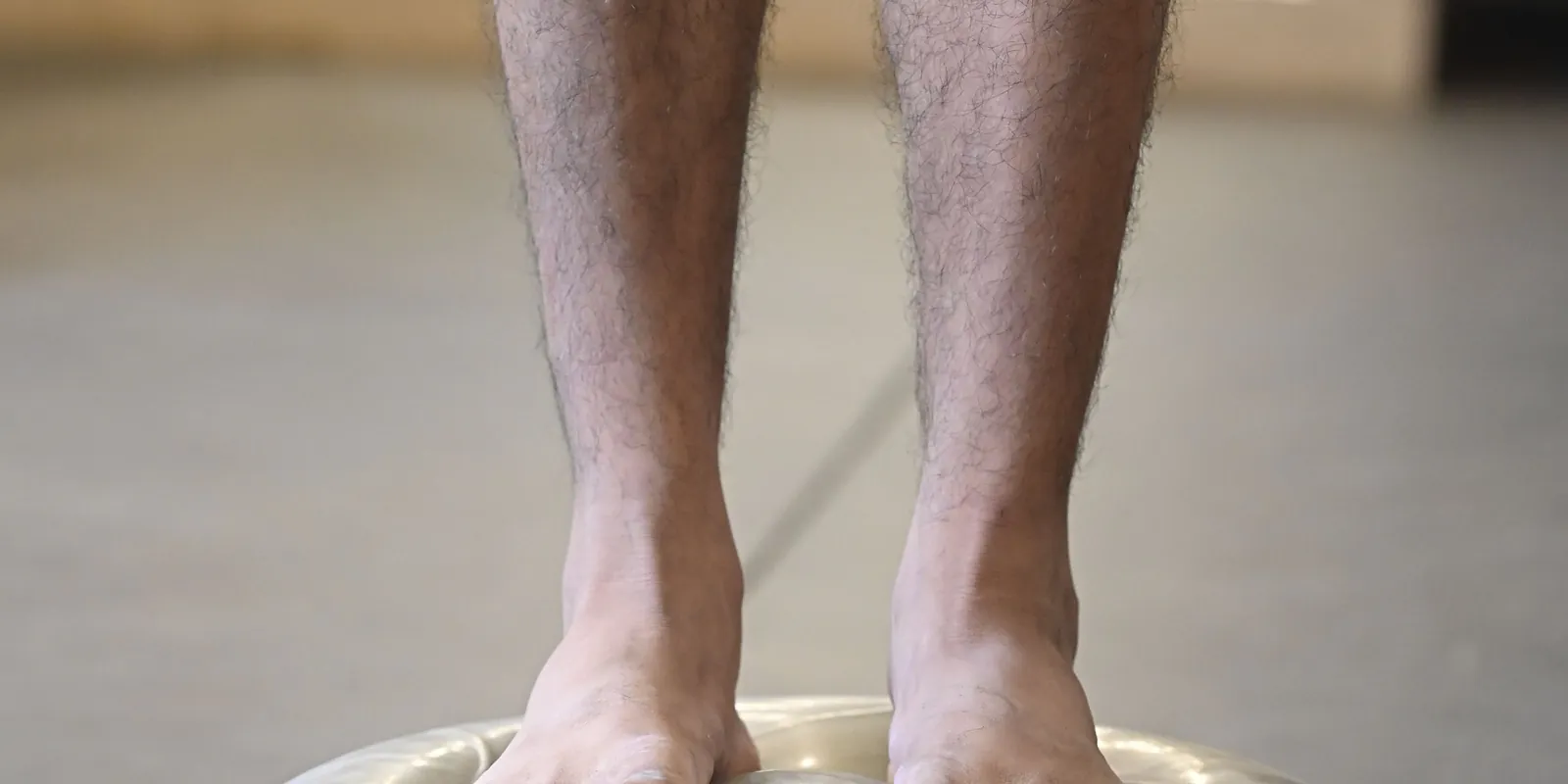
Balance impairment and risk of falls
Balance difficulties are among the most important concerns in geriatric rehabilitation. Older adults may experience changes in postural control, lower-limb strength, vision, sensation, reaction time, or confidence while moving.
Some patients report previous falls, while others limit their activities because they are afraid of falling. This fear can lead to reduced physical activity, further weakness, and loss of independence. Rehabilitation may include progressive balance training, lower-limb strengthening, functional mobility exercises, and education on safety and fall prevention.
Joint stiffness, pain, and reduced mobility
Conditions such as osteoarthritis, spinal problems, previous injuries, and prolonged inactivity can contribute to pain and stiffness, affecting walking, transfers, reaching, and other daily activities.
One of the challenges is understanding how pain influences movement and participation. Not every patient responds to exercise or manual therapy in the same way. Our approach involves identifying functional limitations, managing exercise intensity, providing appropriate education, and using suitable therapeutic techniques when indicated.
Multiple medical conditions and complex histories
Many geriatric patients have more than one health condition — musculoskeletal pain alongside diabetes, cardiovascular disease, neurological impairment, osteoporosis, or a history of surgery. These factors influence exercise tolerance, balance, fatigue, medication effects, and overall rehabilitation planning.
A key challenge is to understand the patient's medical history, recognise relevant precautions, and adjust the treatment plan accordingly. When necessary, communication with the patient's physician or other healthcare professionals is essential.
Fear of movement and lack of confidence
Some older adults become hesitant to move because they associate movement with pain, falling, or injury. Others experience a decline in activity following hospitalisation or a significant health event.
Even when a patient has the physical ability to perform a task, fear may prevent them from attempting it. Building trust is therefore an important part of treatment. We explain exercises clearly, provide appropriate support, progress gradually, and acknowledge the patient's concerns.
Cognitive, sensory, and communication challenges
Some patients experience changes in memory, attention, hearing, vision, or the ability to follow complex instructions. We adapt communication using simple instructions, demonstrations, repetition, and appropriate visual or physical cues — and involve caregivers when appropriate, with respect for the patient's autonomy.
Challenges We Face During Treatment
Managing exercise intensity and fatigue. A patient may perform well during one session but experience increased fatigue on another day due to sleep, medication changes, or illness. We monitor the response to exercise and adapt the session accordingly.
Maintaining motivation and adherence. Some patients have difficulty maintaining a home exercise routine because of pain, fatigue, limited support, or low confidence. Our responsibility is to set realistic goals, explain the purpose of each exercise, and make the plan relevant to daily life.
Working within functional and environmental limitations. A patient may struggle to exercise on the floor or stand for long periods. Home environments may present stairs, limited space, inadequate lighting, or a lack of supportive furniture. Functional exercises performed in safe, practical positions help patients develop skills relevant to their routines.
Addressing family expectations and patient autonomy. Family members may have strong expectations about recovery or the speed of improvement, and the patient's own goals may differ. We communicate clearly about current abilities, expected goals, and safety considerations, while respecting the patient's preferences.
Our Approach to Geriatric Rehabilitation
- Individualised assessment — understanding the patient's physical condition, functional limitations, medical history, and personal goals.
- Progressive strengthening — developing strength and capacity through exercises suited to current ability and tolerance.
- Balance and mobility training — working on functional mobility, postural control, and confidence during movement.
- Functional rehabilitation — connecting exercises to everyday tasks such as sit-to-stand, walking, transfers, and stairs.
- Patient education — helping patients understand their condition and the purpose of their exercises.
- Ongoing monitoring — reviewing progress, identifying challenges, and adapting the plan.
Patience, Communication, and Compassion
Geriatric physiotherapy is not always about achieving rapid physical changes. Progress can be gradual, and each patient responds differently.
Sometimes success means a patient can stand a little longer, walk with greater confidence, complete a daily task with less assistance, or maintain their current level of function. These improvements can be meaningful to the patient and their family. We must recognise these achievements while continuing to work toward realistic goals.
The ultimate aim is to support older adults in living as safely, independently, and actively as possible within their individual circumstances.